
Fixed Income
Summer issuance thins — what a quiet primary market rewards
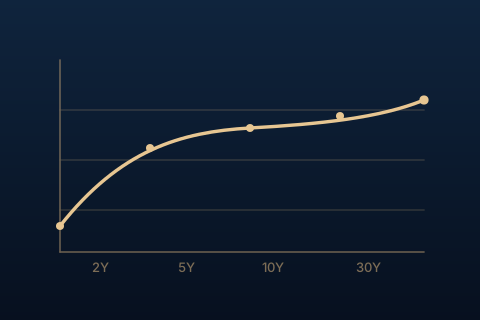
The European primary market has entered its summer lull. Syndicate desks have all but closed the new-issue calendar until the final week of August, and what still prints is small, opportunistic and heavily pre-sounded. For buyers, a thin calendar is not simply a quiet season — it moves where value sits.
Through the first half, sovereign and corporate issuers front-loaded their funding into a receptive market, and the order books rewarded them for it. That pull-forward leaves less paper to come. Investors who were holding cash in anticipation of a better entry point now find themselves competing in the secondary market rather than the primary one.
Where a thin calendar shows up in prices
Two effects tend to follow. New-issue premiums compress, because the few deals that do come are placed with anchor buyers before they are ever announced. And secondary spreads grind tighter on low volume, which flatters valuations without adding much genuine liquidity — a distinction that only matters when a position has to be sold rather than held, which is precisely when it matters most.
Our approach through August is unchanged. We do not chase spread in illiquid conditions, we keep the maturity ladder short enough to reinvest into the autumn calendar, and we treat a quiet market as a period for reviewing credit quality rather than for adding exposure.
September should bring the year's second concentrated funding window, and with it a fuller opportunity set at more honest prices. Clients with maturing cash are, in our view, better served waiting for it than paying August's premium for immediacy.
This commentary is provided for information only and does not constitute investment, tax or legal advice. The value of investments and any income from them can fall as well as rise. Figures cited are illustrative for this prototype.